
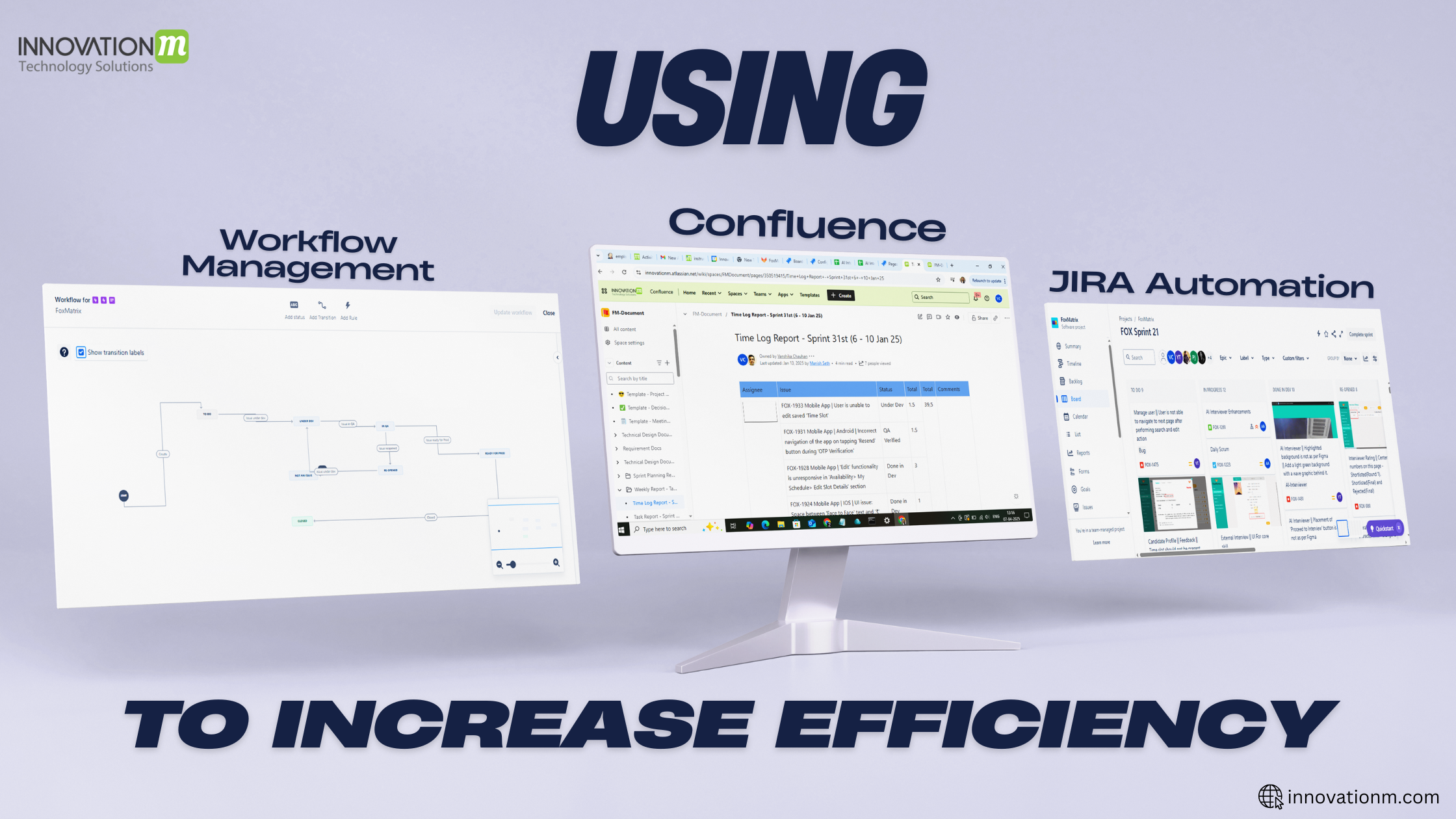
Keeping organized workflows, facilitating smooth collaboration, and staying on top of duties are critical in the fast-paced field of product management. Thankfully, there are powerful technologies like Confluence and JIRA that may improve team alignment, increase productivity, and streamline procedures. We will look at how Confluence, Workflow Management, and JIRA Automation may transform your approach to product management in this article.
Automation of JIRA: The Key to Effectiveness
Product managers may save manual labor, get rid of duplication, and improve task management with JIRA’s automation features. Teams may guarantee consistency and free up time for strategic planning by utilizing automation rules.
How Product Managers Benefit from JIRA Automation
- Problems with Auto-Assigning: Assign work automatically according to preset guidelines, including workload distribution or component ownership.
- Smooth Status Transitions: Assure seamless progress tracking by moving issues between workflow stages without the need for human interaction.
- Proactive Alerts & Notifications: Configure automated reminders for impending sprint deadlines, past-due assignments, or outstanding approvals.
- Smart Data Updates: Fill in forms automatically, connect similar problems, and start preset actions based on predetermined criteria.
Maintaining Team Alignment with JIRA Workflow Management
Effective product development is based on a well-organized JIRA Workflow. Workflows assist teams in maintaining accountability and clarity throughout the project lifecycle, from backlog to release.
Top Techniques for Efficient JIRA Processes
- Keep It Simple: To guarantee adaptability and user-friendliness, steer clear of superfluous complication.
- Leverage Status Transitions: To represent real-world processes, define logical movement across problem states.
- Use Conditions and Validations: To uphold quality standards, use dependencies, checklists, and approval gates.
Confluence: The Only Truth Source You Need
Confluence serves as a primary knowledge hub where product teams may record ideas, conversations, and strategies, while JIRA is excellent at tracking tasks. These tools work together to form a strong ecosystem that facilitates smooth product management.
Confluence: Why Product Managers Adore It
- Centralized Documentation: Keep sprint goals, roadmaps, and product requirement papers (PRDs) in one convenient location.
- Real-Time Collaboration: Make it simple for team members to track changes, offer feedback, and co-edit pages.
- Deep JIRA Integration: For real-time project visibility, include JIRA issues straight into Confluence pages.
- Knowledge Retention: To maintain continuity, keep meeting minutes, past rulings, and lessons learned.
Bringing Everything Together
Confluence, Workflow Management, and JIRA Automation have the potential to completely transform product teams when implemented properly. These solutions enable product managers to concentrate on what really counts—creating innovation and producing outstanding products—by decreasing manual labor, improving teamwork, and upholding organized procedures.
Are you utilizing Confluence and JIRA to their full potential in your product management process? In the comments section below, share your insights and advice!


